
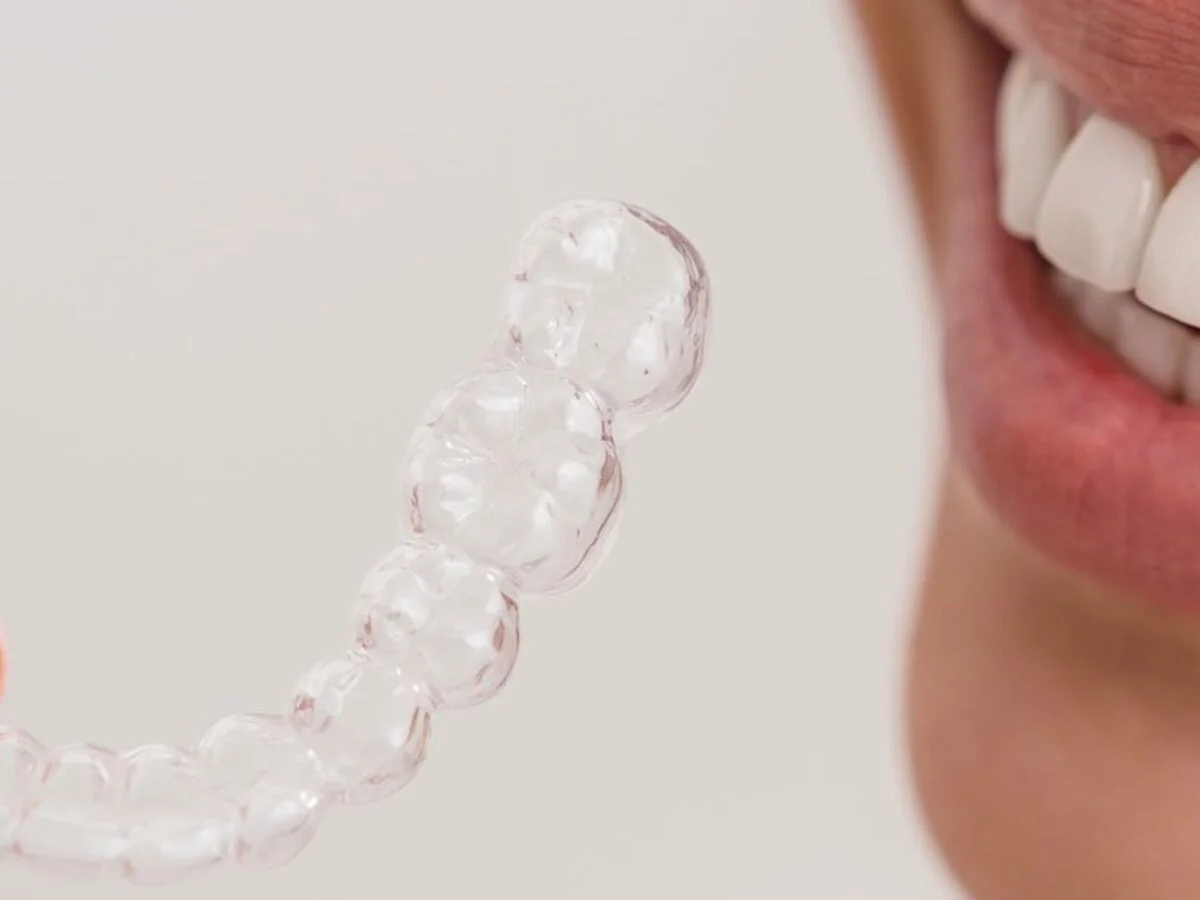
Invisalign: Pioneering Eco-Friendly Orthodontic Solutions
The Green Revolution in Modern Orthodontics
The orthodontic industry has witnessed a remarkable transformation in recent years, with environmental consciousness becoming increasingly central to treatment decisions. Traditional metal braces, whilst effective, have long presented sustainability challenges that forward-thinking dental professionals are now addressing through innovative alternatives. Invisalign Leicester represents a significant leap forward, not merely in aesthetic appeal and patient comfort, but in environmental responsibility as well.
Modern dental practices are recognising their obligation to reduce environmental impact whilst maintaining exceptional treatment standards. This shift towards sustainable orthodontic solutions reflects broader societal changes, where patients actively seek treatments that align with their environmental values. The emergence of clear aligner systems has provided an elegant solution that satisfies both clinical excellence and ecological mindfulness.
Understanding the Environmental Impact of Traditional Orthodontics
Conventional orthodontic treatments often generate substantial waste throughout the treatment process. Metal braces require frequent adjustments, replacement components, and generate significant packaging waste from numerous appointment-related materials. The manufacturing process for traditional brackets and wires involves energy-intensive metal production, contributing to a considerable carbon footprint that extends well beyond the dental surgery.
The disposal challenges associated with metal orthodontic appliances further compound environmental concerns. Whilst some components can be recycled, the complex composition of modern braces often renders complete recycling impractical. Additionally, the frequent surgery visits required for adjustments contribute to increased transportation emissions, creating an indirect but measurable environmental impact.
The Clear Advantage of Sustainable Treatment Options
Clear aligner technology addresses many environmental concerns through intelligent design and manufacturing processes. The thermoplastic materials used in quality clear aligners are often recyclable, and the reduced frequency of dental visits significantly decreases transportation-related emissions. Patients typically require fewer appointments throughout their treatment journey, creating a more sustainable treatment model that benefits both the environment and busy lifestyles.
The precision manufacturing techniques employed in creating custom aligners result in minimal material waste during production. Advanced 3D printing and thermoforming technologies ensure efficient use of raw materials, whilst digital treatment planning eliminates the need for physical impressions and reduces associated waste materials. This technological approach represents a fundamental shift towards more sustainable orthodontic practices.
For patients seeking environmentally conscious orthodontic treatment, many practices are increasingly highlighting the ecological benefits of clear aligner therapy. These forward-thinking clinics recognise that modern patients value sustainable treatment options that deliver exceptional results whilst minimising environmental impact.
The Science Behind Sustainable Aligner Technology
The development of eco-friendly clear aligners involves sophisticated materials science that prioritises both performance and environmental responsibility. Modern thermoplastic polymers used in quality aligner systems are designed for optimal recyclability whilst maintaining the structural integrity necessary for effective tooth movement. These materials undergo rigorous testing to ensure they meet both clinical requirements and environmental standards.
Manufacturing facilities producing premium clear aligners increasingly adopt renewable energy sources and implement waste reduction programmes that significantly minimise their ecological footprint. The digital workflow employed in creating custom aligners eliminates many traditional manufacturing inefficiencies, resulting in a streamlined production process that conserves resources whilst delivering precision-fitted appliances.
Digital Innovation Driving Environmental Benefits
The digital transformation of orthodontic treatment planning represents a pivotal advancement in sustainable dentistry. Intraoral scanning technology replaces traditional alginate impressions, eliminating the waste associated with impression materials and shipping physical models. This digital approach reduces material consumption by approximately 70% compared to conventional impression techniques.
Advanced treatment simulation software allows orthodontists to visualise the entire treatment journey digitally, reducing the need for physical models and enabling more precise treatment planning. This technological sophistication ensures optimal treatment outcomes whilst minimising resource consumption throughout the process. Research into the environmental benefits of clear aligner therapy demonstrates significant reductions in waste generation compared to traditional orthodontic approaches.
Patient Benefits Beyond Environmental Impact
The environmental advantages of clear aligner treatment complement numerous patient-focused benefits that enhance the overall treatment experience. Reduced appointment frequency not only decreases carbon emissions but also accommodates busy professional schedules more effectively. The removable nature of aligners facilitates superior oral hygiene maintenance, contributing to better long-term dental health outcomes.
Professional resources such as the official Invisalign product information provide comprehensive details about treatment options and sustainability initiatives. Additionally, expert analysis of eco-friendly orthodontic solutions offers valuable insights into the environmental benefits of modern clear aligner technology.
The Future of Sustainable Orthodontic Care
The orthodontic profession continues evolving towards increasingly sustainable practices that prioritise environmental responsibility without compromising treatment quality. Clear aligner technology represents merely the beginning of this transformation, with ongoing research focusing on biodegradable materials and carbon-neutral manufacturing processes.
This commitment to environmental stewardship ensures that future generations will benefit from both healthier smiles and a healthier planet, establishing a new standard for responsible dental care that balances clinical excellence with ecological mindfulness.