
What Recovery Studies Actually Measure
Recovery talk often jumps to personal outcomes. The studies themselves track quieter markers inside controlled models. A clear look at BPC-157 recovery results starts with those measured signals.
Many models record new blood vessel formation at the injury site. Researchers watch for increased signaling that supports angiogenesis. This marker appears often because poor blood supply is a known limit in tissues such as tendon and ligament.
The measurement stays inside the model. It does not automatically equal everyday recovery.
Collagen organization and tissue structure
Another frequent marker is how ordered the new collagen becomes. Disorganized collagen forms weaker scar. More aligned fibers are treated as a better structural signal in the papers.
These changes are scored under microscopy or biomechanical tests. They take longer to appear than early comfort shifts.
Functional scores in the models
Some studies add movement or load tests. Walking patterns, range of motion, or force-to-failure numbers appear in the data. These scores help researchers see whether the tissue is handling stress better over time.
Again the numbers belong to the controlled setting. They are not personal guarantees.
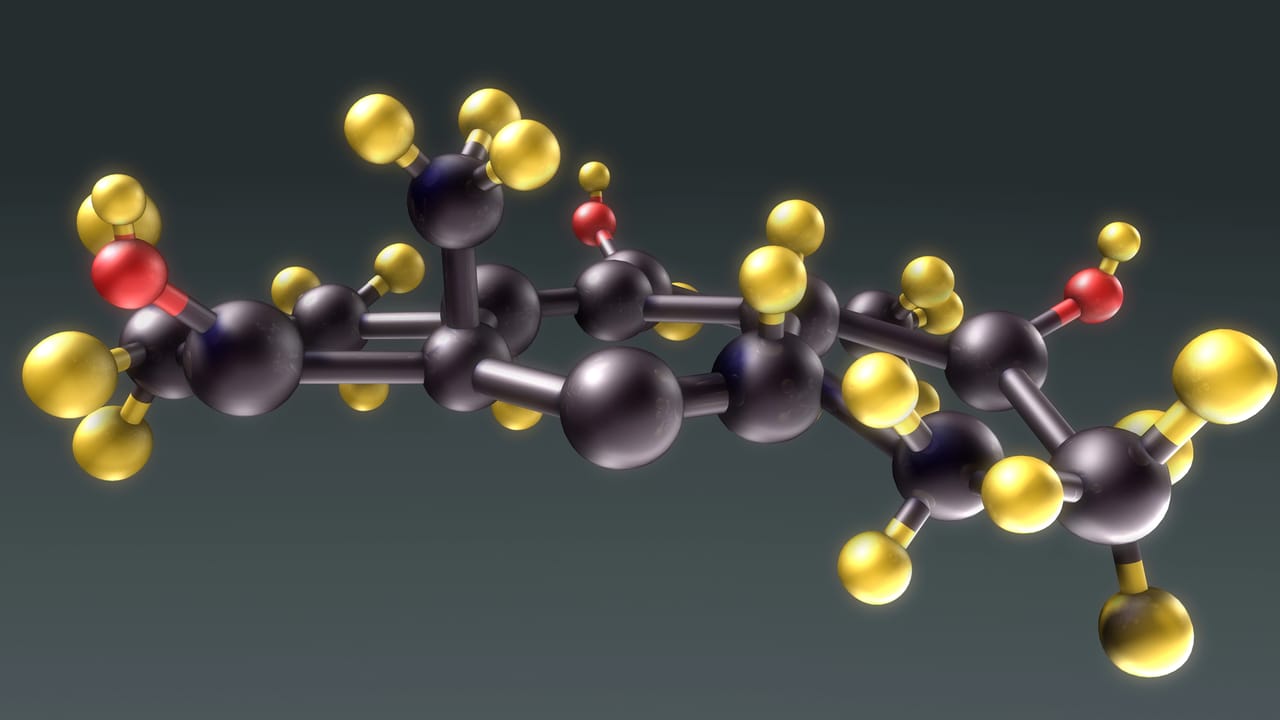
Here are the main markers in short form.
- New blood vessel growth
- Collagen alignment and organization
- Inflammation signal changes
- Functional or load scores
- Cell migration and activity at the site
What the studies do not measure
Most papers do not track long-term human outcomes in large groups. They do not record everyday training tolerance across months. They do not prove a fixed personal timeline.
The focus stays on the biological signals that can be measured under experimental conditions.
Looking again at BPC-157 recovery results shows the practical limit. Research tracks markers such as vessel growth, collagen organization, and functional scores in controlled models.
That is what the recovery studies actually measure. The signals are interesting inside the models. The jump to broad personal results remains outside the current data. Keeping the measured markers clear stops the language from promising more than the work contains.
Some laboratories keep the two peptides in separate vials even when they plan to use both. That approach lets each dose be adjusted independently if early data suggest one signal is stronger than the other. The blended stack format is chosen when the protocol already assumes both will be present together at fixed relative amounts. Neither format changes the underlying biology. Both remain tools for exploring the complementary hypothesis. The research question decides which handling method is more useful for that particular study. The stack concept stays a design choice, not a finished method.