
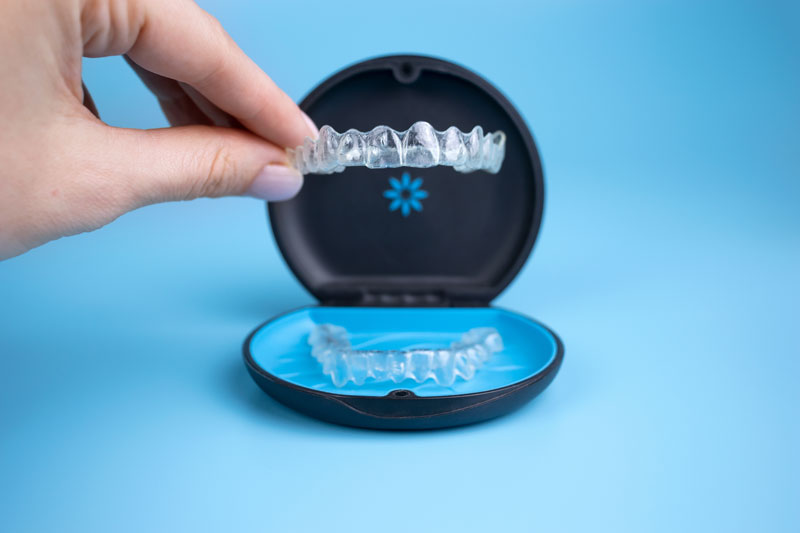
How Invisalign Aligners Influence Speech Patterns and Professional Communication During Treatment
Understanding the Initial Adjustment Period
When individuals embark upon their journey with clear aligner therapy, one of the most immediate concerns centres around how these transparent orthodontic devices might affect their ability to communicate effectively. The reality is that whilst Invisalign Leeds treatment offers a discreet alternative to traditional metal braces, patients do experience a temporary adjustment phase that can influence their speech patterns. This phenomenon occurs because the aligners create a subtle change in the oral cavity, affecting the precise positioning of the tongue during speech production.
The human mouth is remarkably adaptable, and most wearers discover that any initial speech alterations resolve within a matter of days. During the first week of treatment, patients may notice a slight lisp or altered pronunciation of certain consonants, particularly sibilant sounds such as ‘s’ and ‘z’. This occurs because the aligners add a thin layer of material between the teeth, which temporarily disrupts the established motor patterns that the tongue has developed over years of speaking. Research has shown that clear aligners have minimal impact on speech compared to other orthodontic appliances, making them an excellent choice for professionals who rely heavily on verbal communication.
The Science Behind Speech Adaptation
The process of speech production involves intricate coordination between the respiratory system, vocal cords, tongue, teeth, and lips. When aligners are introduced into this finely tuned system, the brain must recalibrate its instructions to accommodate the new oral environment. Linguists and speech pathologists have long understood that the teeth play a crucial role in articulation, serving as anchor points for the tongue during the formation of specific phonemes. The addition of aligners, though minimal in thickness, requires a brief period of neurological adjustment.
Phonetic Challenges During Early Treatment
Certain sounds present more challenges than others during the adaptation period. Alveolar consonants, which are produced by placing the tongue against the ridge behind the upper teeth, may initially feel different. Similarly, interdental sounds that require precise tongue placement between the teeth can temporarily feel awkward. However, studies indicate that the brain’s plasticity allows for rapid compensation, with most individuals achieving normal speech patterns within three to seven days of continuous wear.
Professional Communication Strategies During Treatment
For individuals in client-facing roles or positions requiring frequent public speaking, the prospect of altered speech during treatment can understandably cause apprehension. Fortunately, there are several practical strategies that can accelerate the adaptation process and maintain professional communication standards. Reading aloud for fifteen to twenty minutes daily helps retrain the tongue and facial muscles to work efficiently with the aligners in place. Many professionals find that practising presentations or important telephone conversations whilst wearing their aligners builds confidence and reduces any self-consciousness about their speech.
The removable nature of clear aligners provides a distinct advantage over fixed orthodontic appliances. Whilst practitioners recommend wearing aligners for twenty-two hours daily, patients have the flexibility to remove them during critical professional engagements if absolutely necessary. However, most wearers discover this precaution becomes unnecessary after the initial adjustment period. Studies on patient-reported outcomes with clear aligners consistently demonstrate high satisfaction rates regarding speech adaptation and overall treatment experience.
Long-Term Benefits for Articulation
Interestingly, the ultimate outcome of orthodontic treatment often results in improved speech clarity. When teeth are properly aligned, the tongue has optimal surfaces against which to articulate sounds. Individuals who previously had crowded or misaligned teeth may discover that their speech becomes clearer and more precise following treatment completion. This enhancement can prove particularly beneficial for professionals in fields such as broadcasting, teaching, law, or sales, where clear articulation directly impacts career success.
Embracing the Journey with Confidence
The temporary influence of Invisalign treatment on speech patterns represents a minor and short-lived adjustment in exchange for the considerable benefits of straighter teeth and improved oral health. Research from speech-language pathology experts examining orthodontic appliances confirms that clear aligners cause minimal disruption to normal communication patterns. Patients who approach the adaptation period with patience and consistent wear typically find that any speech changes resolve swiftly, allowing them to continue their professional lives without significant interruption. The journey towards a confident, aligned smile need not compromise one’s ability to communicate effectively in professional settings, making clear aligner therapy an increasingly popular choice for working adults seeking orthodontic improvement.